Te Ngahere Forest ecosanctuary
Just minutes from Palmerston North, Te Āpiti is home to more than 1,000 hectares of native lowland forest. This diverse and dramatic landscape provides an important refuge for native plants and wildlife, making it one of the region's most significant natural treasures.
As you explore the forest, you'll discover towering tawa and podocarp trees, northern rātā, nīkau palms, delicate ferns and a rich variety of native birdlife. Keep an eye out for kererū moving through the canopy, listen for the distinctive calls of tītipounamu, and watch the skies for the kārearea, New Zealand's only native falcon. Long before people arrived, this landscape was also home to the mighty moa, which once roamed these forests.
Among Te Āpiti's botanical treasures is the giant maidenhair fern, a remarkable species found only in the Manawatū region of New Zealand. Together, these plants and animals form a unique ecosystem that supports biodiversity and helps make Te Āpiti such a special place.
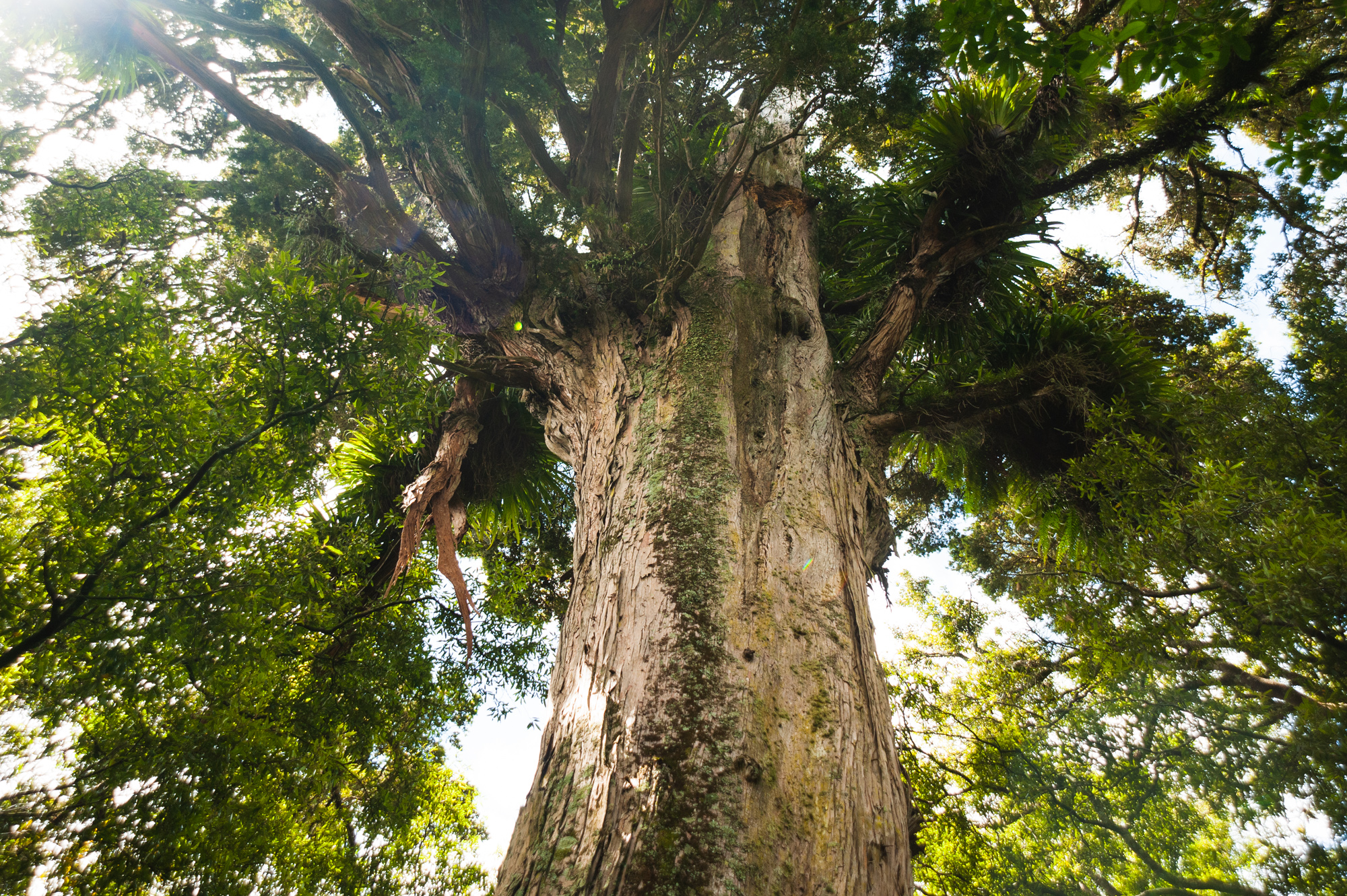
The forest is also woven into the cultural heritage of Te Āpiti. According to Rangitāne tradition, the gorge was created by Ōkātia, a giant tōtara that forced its way through the Tararua and Ruahine Ranges to create the narrow passage of the gorge. Today, visitors can walk to the 27-metre-tall tōtara tree named Ōkātia, which stands as a reminder of this enduring story and the deep connection between people and place.
This precious ecosystem faces ongoing threats from introduced animal pests and invasive weeds that can damage native habitats and put vulnerable species at risk. To help protect the forest, the Department of Conservation and Horizons Regional Council work alongside mana whenua, local authorities, landowners and volunteers to deliver large-scale pest control and restoration programmes. This collective mahi helps safeguard Te Āpiti's living taonga and supports the return of species that have been lost from the area, including the planned reintroduction of toutouwai (North Island robin).