Threats to the Ngahere Pest Control
Te Āpiti's native forest requires ongoing care and protection. Pest plants and introduced animals can threaten the health of this unique ecosystem. Targeted pest control programmes help protect precious native species and give the forest the best chance to thrive.
Pest Animal Control
Introduced animal pests such as possums, rats, stoats, ferrets, weasels and feral cats can have a devastating impact on native birds and other vulnerable species by destroying habitat, eating eggs and chicks, and disrupting the natural balance of the ecosystem.
Ongoing pest control is essential to maintaining a healthy forest and protecting the living taonga that call Te Āpiti home. Across this rugged landscape, the Department of Conservation, Horizons Regional Council, Waka Kotahi, mana whenua, landowners and volunteers work together to reduce pest numbers and support the recovery of native species.
This collective effort is helping create the conditions needed for native wildlife to thrive and for species that have been lost from the area, such as toutouwai (North Island robin), to return in the future.
Pest animal species being controlled in Te Āpiti
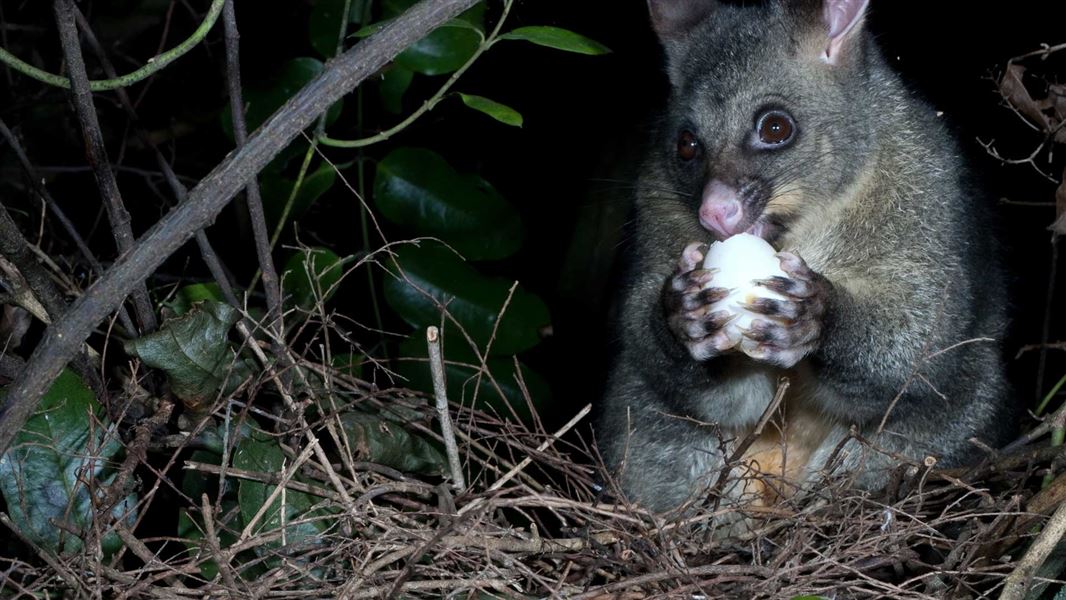
Possum
Brushtail possums were introduced to New Zealand from Australia in the 1800s to establish a fur trade. With no natural predators here, they have become one of our most destructive introduced pests.
Possums feed on the leaves, buds, flowers, fruit, and shoots of many native trees. They particularly favour species such as rātā, pōhutukawa, and kāmahi, and repeated browsing can weaken or kill even large mature trees.
They also eat the eggs and chicks of native birds, as well as large insects and native snails, putting additional pressure on New Zealand's unique wildlife.
Controlling possums helps protect forest health, allowing native trees to flower and fruit, and giving birds, insects, and other native species a better chance to thrive.
In Te Āpiti, possums are controlled in and around the forested areas using a combination of trapping and toxins multiple times a year to keep numbers low and help restore and protect this forest ecosystem.
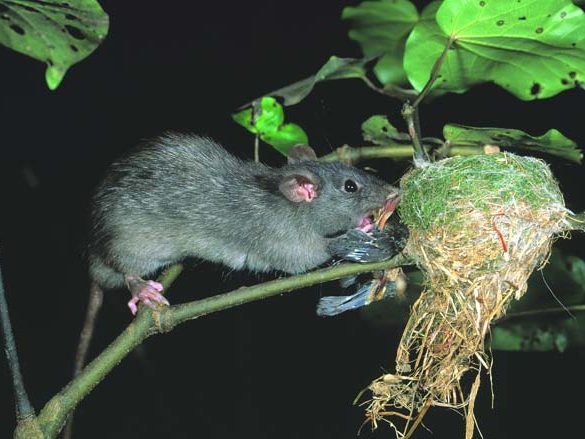
Rats
Introduced rats pose a significant threat to New Zealand’s native forests. Agile climbers with an excellent sense of smell, they search the forest by day and night for food.
Rats eat seeds and fruit reducing the forest's ability to regenerate, as well as eating insects, lizards, and native snails. They also raid nests, preying on the eggs and chicks of many native birds, including some of our smallest and most vulnerable species.
Keeping rat numbers low gives native plants a better chance to regenerate and helps protect nesting birds. Rat control is especially important for the planned return of the toutouwai (North Island robin), a bird that is particularly vulnerable during nesting season.
In Te Āpiti, rats are controlled alongside possums using a combination of trapping and toxins multiple times a year, particularly through the bird breeding season. Reducing rat numbers helps restore a healthier forest, giving native plants and wildlife the opportunity to recover and thrive.
(Photo credit David Mudge DOC)
Mustelids
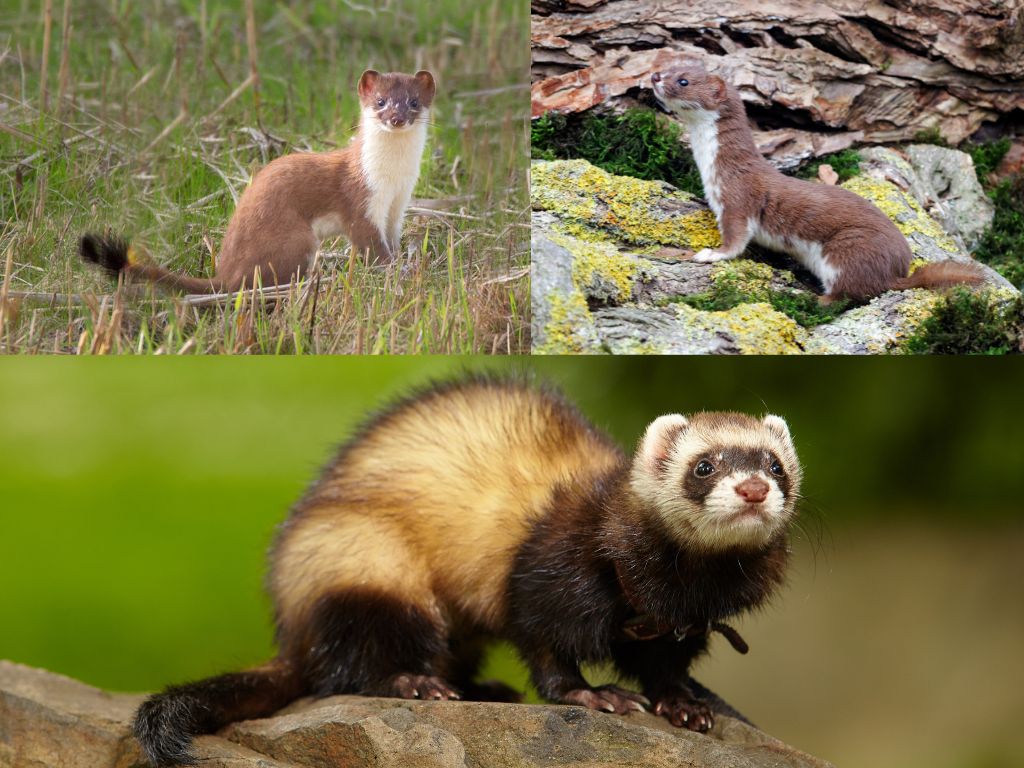
Stoats, ferrets, and weasels (known collectively as 'mustelids) are introduced predators that pose a serious threat to New Zealand's native wildlife. Introduced in the late 1800s to control rabbits, they instead spread throughout the country and now prey on many of our native species.
Fast, agile, and highly skilled hunters, mustelids hunt birds, lizards, insects, and small mammals. Stoats are particularly devastating in forests, where they raid nests taking eggs and killing chicks, and even adult birds. Ferrets are larger and tend to hunt in more open habitats like forest edges, while the much smaller weasel mainly preys on mice and small native wildlife.
Many of New Zealand's native birds evolved without mammalian predators and nest on or near the ground, making them especially vulnerable to these introduced hunters.
Predator control is essential for protecting native wildlife and creating safe conditions for the return of species such as the toutouwai (North Island robin) which is a bird that spends a lot of its time near or on the forest floor.
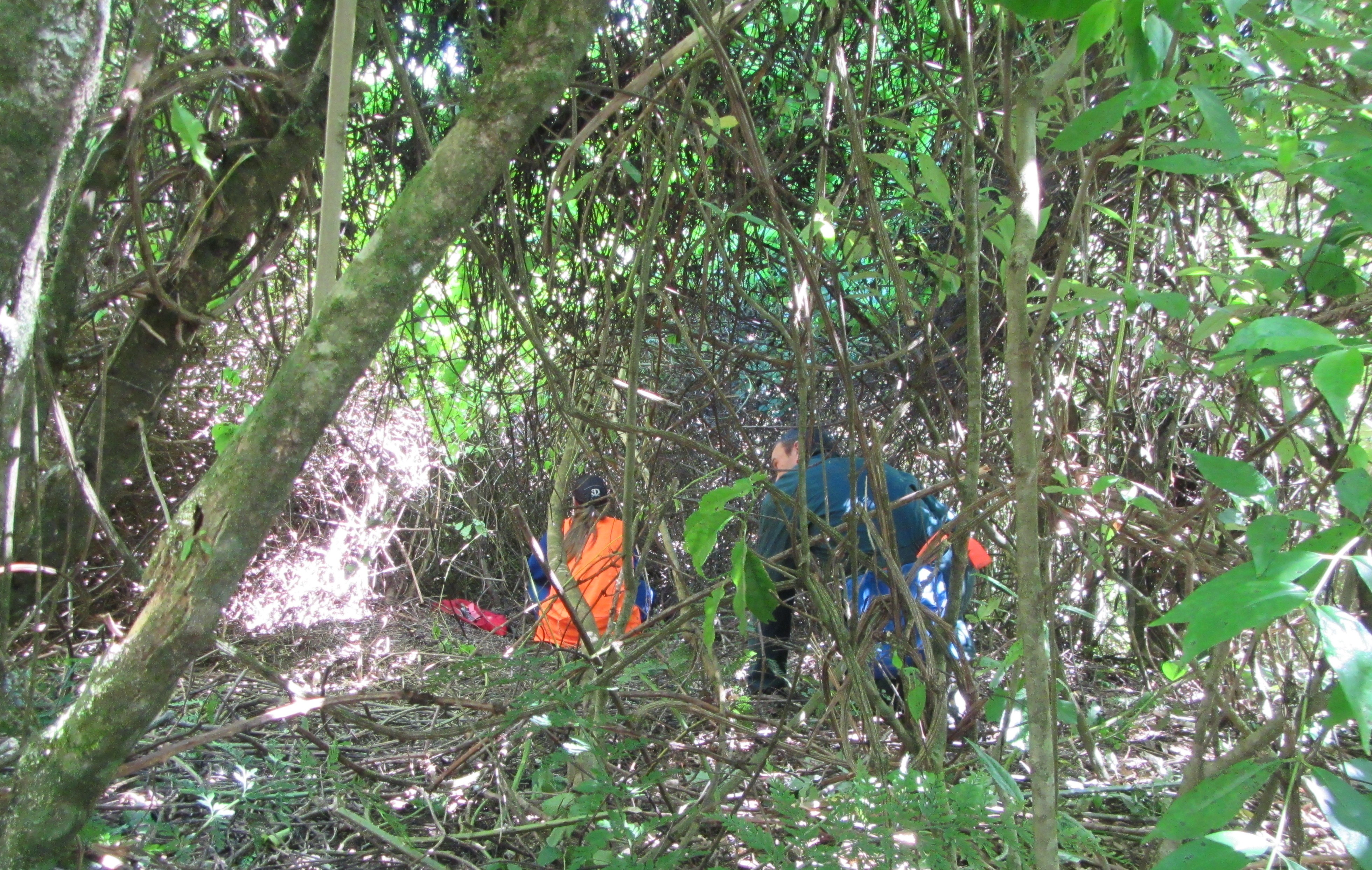
In Te Āpiti, mustelids are controlled using a network of predator traps in and around the edges of the forest that help restore a safer environment for native birds and other wildlife. A number of these traps along the Manawatu Gorge track are serviced each month by volunteers.
Cats
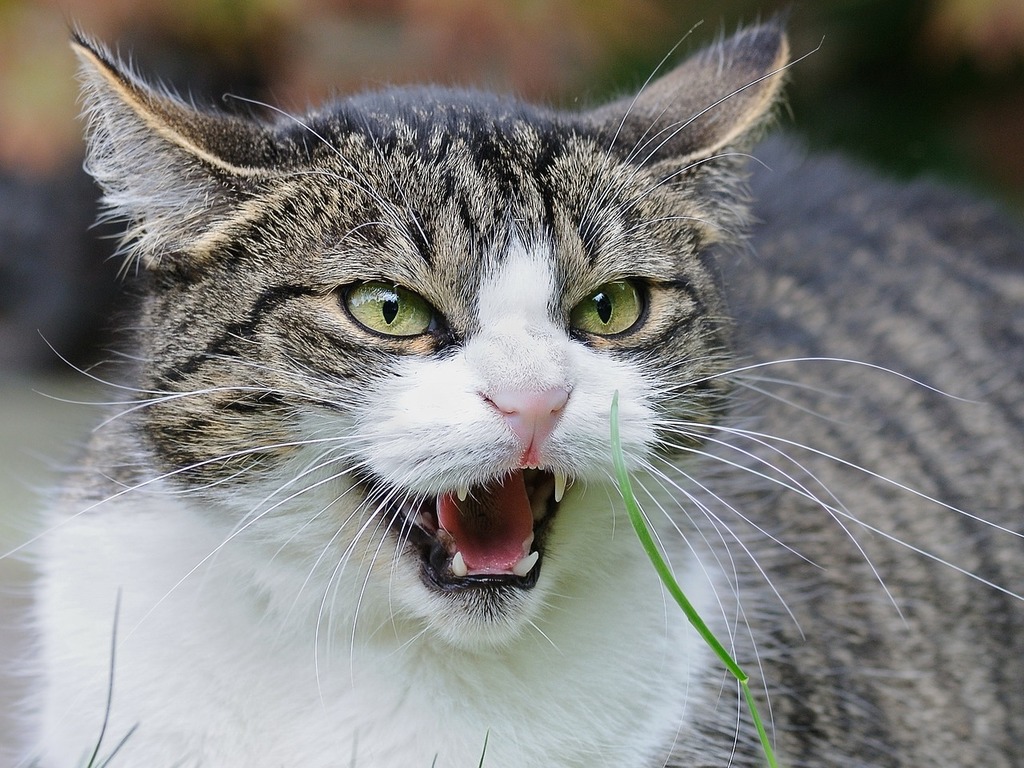
Cats are highly efficient predators and pose a significant threat to New Zealand's native wildlife. Unlike our native birds, many species evolved in the absence of mammalian predators and have few natural defences against cats.
Cats hunt a wide range of native animals, including birds, lizards, insects, and bats. They are effective at catching both adult birds and fledglings, making them a significant threat to wide number of bird species in Te Apiti.
Even well-fed pet cats retain their natural hunting instincts and may kill wildlife without eating it. Roaming cats can also spread diseases that affect native animals.
Reducing cat predation is an important part of restoring healthy forest ecosystems and creating safe conditions for the return of vulnerable native species.
In Te Āpiti feral cat numbers are kept very low using humane trapping methods.
Ungulates
Introduced hoofed animals such as deer, goats, pigs and wandering livestock can have a major impact on native forests. By browsing seedlings, young trees, shrubs, and forest understorey plants, they reduce the ability of the forest to regenerate naturally.
When browsing pressure is high, fewer young plants survive to replace older trees, leading to a simpler forest with less habitat and food for native wildlife.
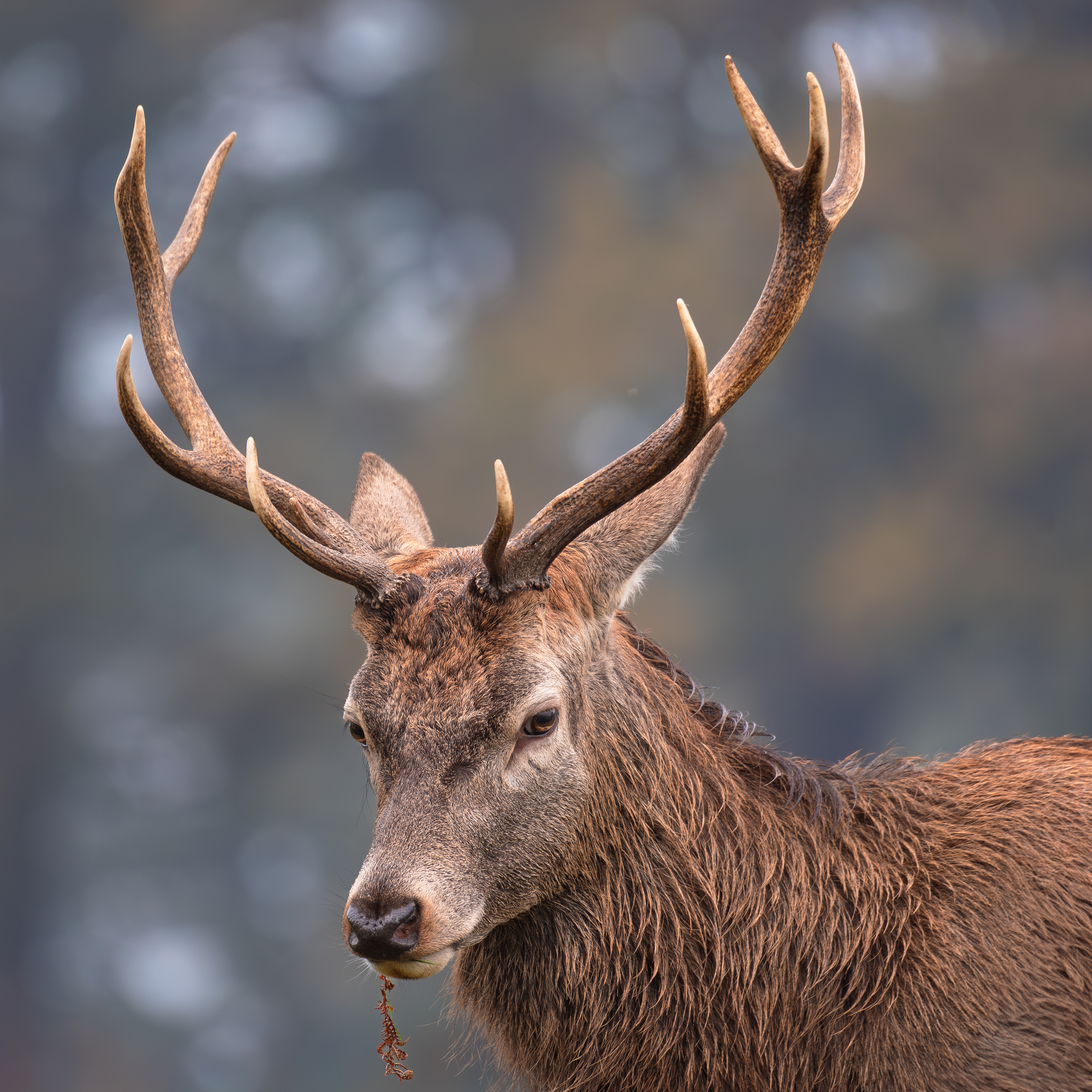
Red deer, fallow deer and goats are increasingly common in the landscape surrounding Te Āpiti, but they have been largely kept out of the Te Āpiti Scenic Reserves. Nearby farm stock are excluded by fencing.
To further reduce pressure on the surrounding landscape, Te Ahu a Turanga Alliance carries out a culling programme for goats and deer around the new Te Ahu a Turanga highway, which is the northern buffer zone of Te Āpiti, and in nearby restoration planting areas.
Keeping ungulate numbers low helps native seedlings establish, supports forest regeneration, and creates a healthier habitat for birds, insects, and other native species.
Wasps
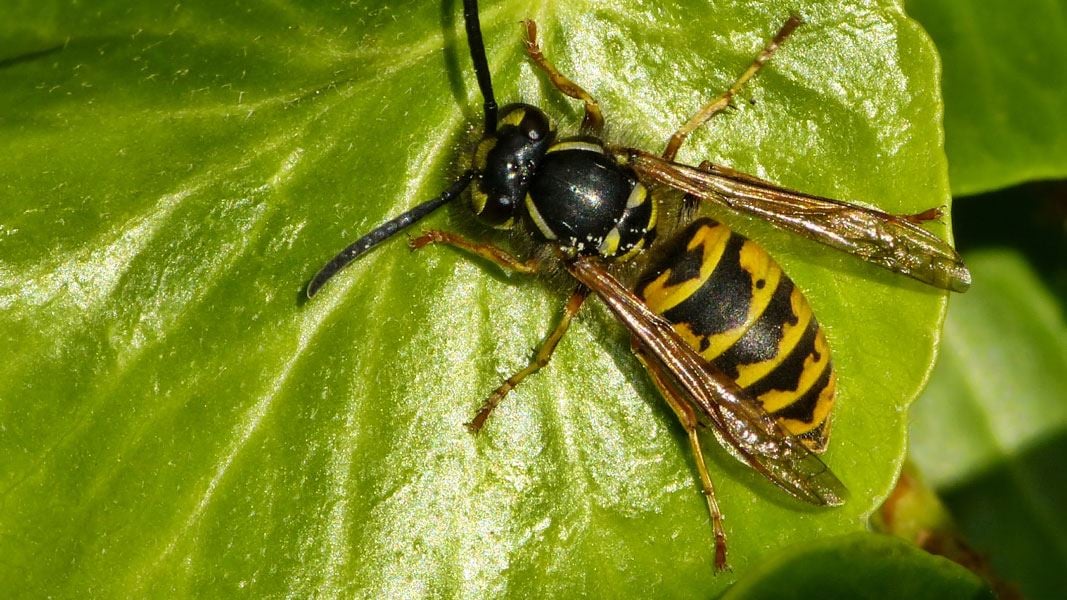
Introduced wasps are widespread in many New Zealand forests and can become especially abundant during late summer and autumn. They build paper nests in the ground, under logs, in banks, or in tree hollows.
Wasps are aggressive when their nests are disturbed and may sting repeatedly, posing a risk to people using walking tracks and enjoying the forest.
They also compete with native birds and insects for food, feeding on nectar, honeydew, and other invertebrates. In large numbers, wasps can disrupt the natural balance of the forest ecosystem.
To help keep visitors safe and reduce their impact on native wildlife, wasps are controlled in Te Āpiti using targeted baiting programmes over summer that reduce nest numbers while minimising effects on other species.
If you see increased wasp activity in an area, avoid disturbing the nest, move away calmly and if possible, report the location to the Department of Conservation.
Trapping with community help
Pest Plant Control
Invasive pest plants can smother, outcompete and replace native vegetation, threatening the habitats that many of Te Āpiti's plants and animals depend on.
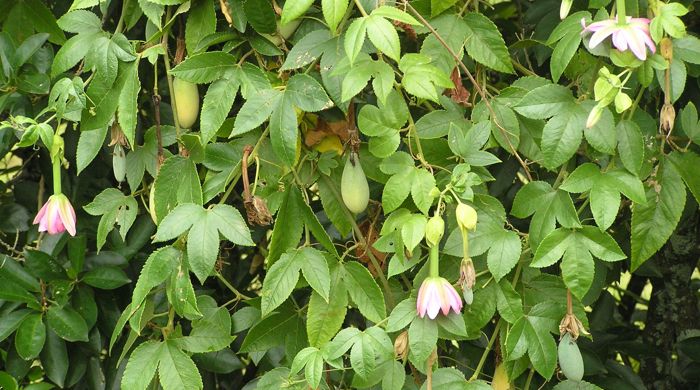
Species such as old man's beard, banana passionfruit (pictured), Japanese honeysuckle, wilding pines and tradescantia pose a significant threat to the forest ecosystem. If left unchecked, these weeds can overwhelm native plants, prevent regeneration and alter the character of the landscape.
To protect this precious environment, Horizons Regional Council and specialist contractors carry out an ongoing programme of pest plant control across Te Āpiti. This work combines physical and chemical control methods with innovative biocontrol programmes that use natural predators to help suppress invasive species.
We all have a role to play in protecting Te Āpiti and other special places. Many pest plants begin as garden escapees, so disposing of garden waste responsibly can help prevent new infestations and support the long-term health of this unique landscape.
Pest plants being controlled in Te Āpiti
Old mans beard
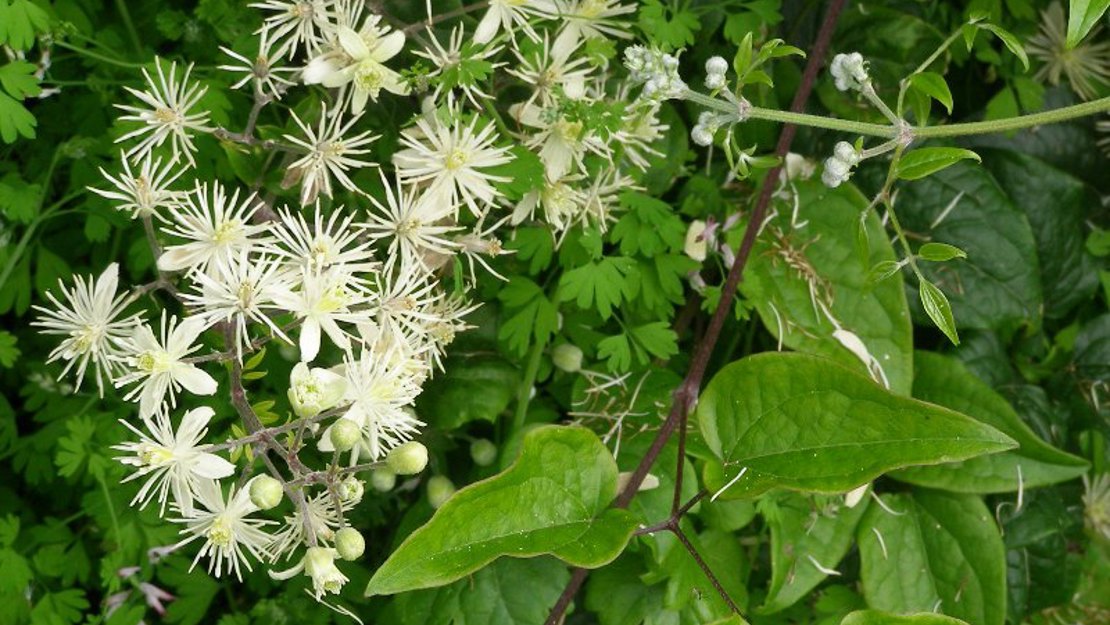
Old man's beard (Clematis vitalba) is an introduced climbing vine that has become one of New Zealand's most invasive weeds. It grows rapidly, smothering native trees and shrubs beneath a dense blanket of foliage.
By blocking sunlight, old man's beard weakens and eventually kills the plants it covers, preventing young native trees from growing and reducing forest biodiversity.
In spring and summer it produces masses of small creamy-white flowers, followed by distinctive fluffy seed heads that resemble an old man's beard. The seeds are easily carried by the wind, allowing the plant to spread quickly into new areas.
At Te Āpiti, old man's beard is controlled to protect native vegetation and restore the natural forest.
Old man's beard often escapes from gardens. If you find it growing on your property, removing it before it flowers and sets seed is one of the best ways you can help protect native bush.
Banana passionfruit
Banana passionfruit (Passiflora tripartita) is an introduced climbing vine that has spread into many native forest areas in New Zealand. It grows rapidly, scrambling over trees and shrubs and forming dense tangles of vegetation.
These thick vines smother native plants, blocking light and reducing the ability of forest to regenerate naturally.
It produces distinctive tubular flowers followed by bright yellow, banana-shaped fruit. Birds and other animals eat the fruit and help spread the seeds into new areas, including native bush.
At Te Āpiti, banana passionfruit is controlled to protect native forest and allow natural regeneration to continue.
If you find banana passionfruit growing in your garden or nearby land, removing it before it fruits helps prevent it spreading into natural areas like this forest.
Japanese honeysuckle
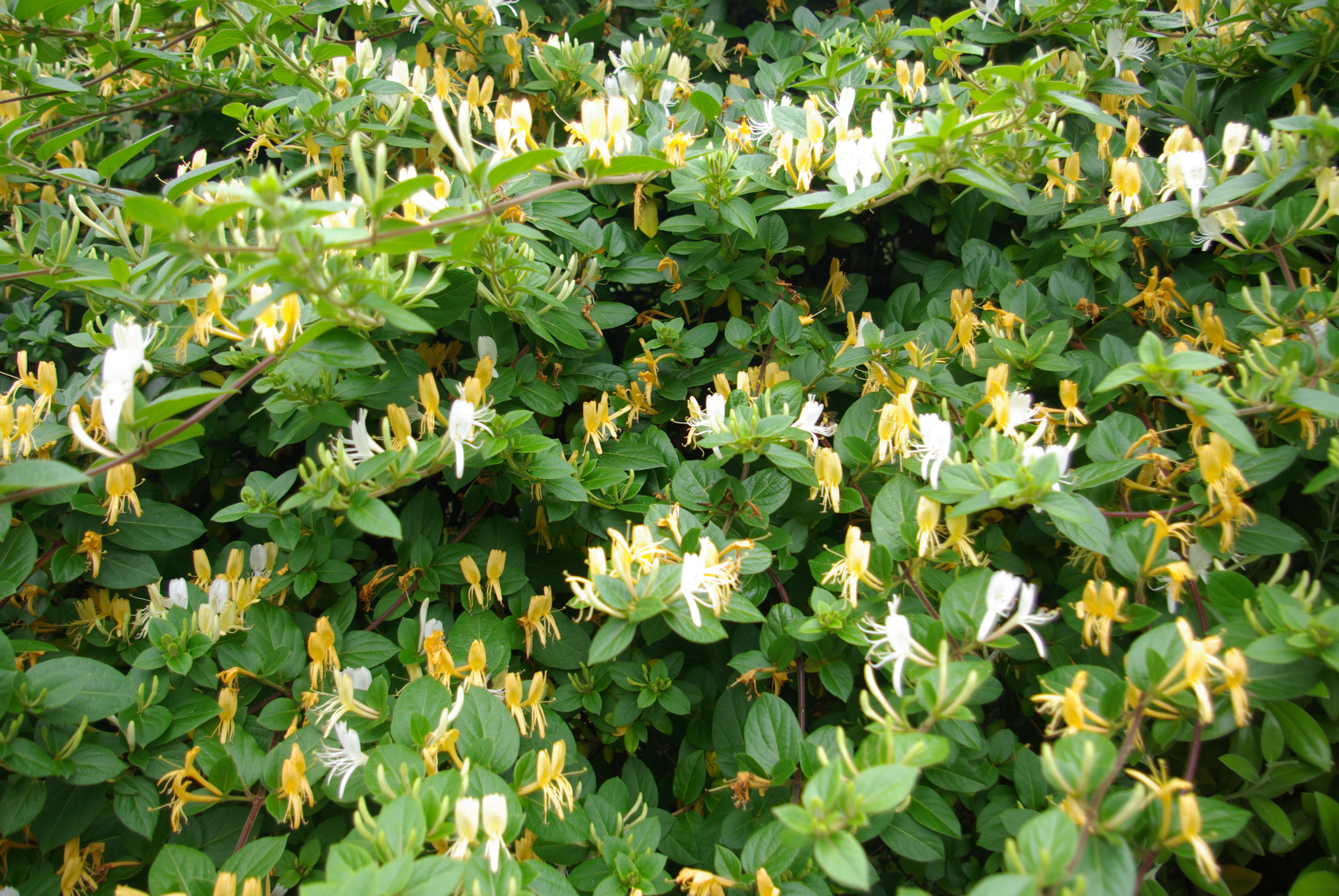
Japanese honeysuckle (Lonicera japonica) is an introduced climbing vine that has spread widely through New Zealand's forests and forest margins. It grows rapidly, scrambling over native shrubs and young trees.
Dense mats of foliage can smother native vegetation, reducing the light needed for seedlings and preventing young forest from regenerating naturally.
Sweetly scented white flowers, which fade to yellow with age, appear from spring through autumn and are followed by small black berries. Birds readily eat the berries and disperse the seeds into new areas.
At Te Āpiti, Japanese honeysuckle is controlled to protect native plants and allow the forest to regenerate naturally.
If you find Japanese honeysuckle growing at home, removing it before it flowers and sets seed is a simple way to help prevent it spreading into forests like Te Āpiti.
Wilding pines
Wilding pines are introduced pine trees that have spread beyond plantations and shelterbelts into natural areas. Their wind-blown seeds allow them to establish quickly, often in places where native plants struggle to compete.
As wilding pines grow, they shade out native vegetation and gradually replace open habitats and regenerating native forest. If left unchecked, they can transform entire landscapes and reduce native biodiversity.
Young wilding pines are much easier to remove than mature trees, making early control essential.
At Te Āpiti, wilding pines are removed to protect native forest and allow indigenous plants to regenerate naturally.
If you notice self-sown pine trees spreading beyond where they were planted, removing them while they are still small helps prevent them becoming the next generation of wilding pines.
Tradescantia
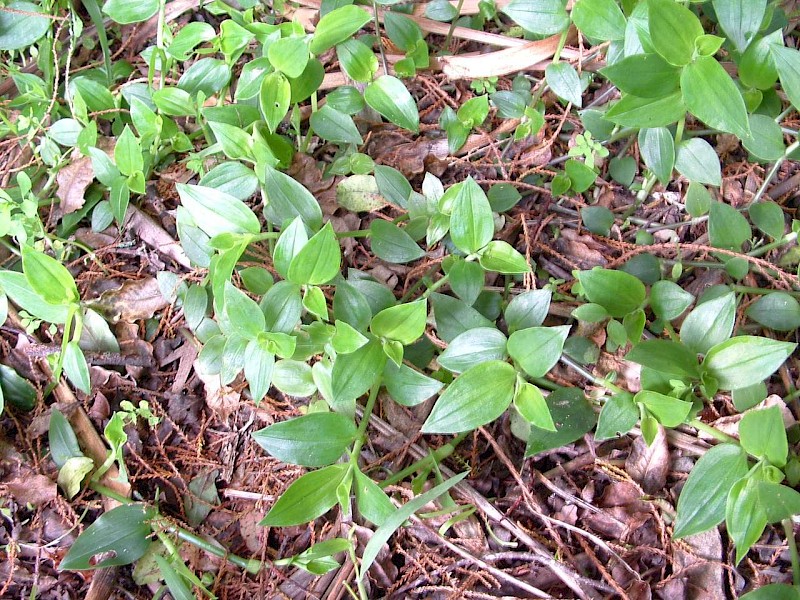
Tradescantia (Tradescantia fluminensis), commonly known as wandering willy, is an introduced groundcover that has become one of New Zealand's most invasive forest weeds. It spreads rapidly across the forest floor, forming dense mats of foliage.
These thick mats block sunlight from reaching the soil, preventing native seedlings from germinating and slowing the natural regeneration of the forest.
Tradescantia spreads easily from small stem fragments, which can take root wherever they land. Floods, dumped garden waste, and even machinery can help it spread into new areas.
In Te Āpiti Scenic Reserves, tradescantia is controlled to restore the forest floor and give native seedlings the opportunity to grow.
Tradescantia is a common garden escape. If you have it on your property, replacing it with non-invasive plants and disposing of all cuttings carefully so they cannot re-sprout helps protect native forests from further infestation.
What's that plant?
Free apps like Aotearoa Species Classifier and iNaturalist make plant identification a breeze.
Download to your phone from the Playstore and you'll be an expert in no time!