Whatonga the Explorer
The traditional history of the Manawatū begins with the arrival of Whātonga. Whātonga was one of three chiefs on board the Kurahaupo waka, which journeyed across the Pacific Ocean to Aotearoa, New Zealand, possibly as early as the 12th Century.
Whātonga was the father of Tara, the eponymous ancestor of the Ngai Tara people, and grandfather to Rangitāne (also known as Tānenuiarangi), from whom all Rangitāne descend. He lived near Te Matau a Māui (Cape Kidnappers in Hawkes Bay), where he built a meeting house called Heretaunga, but he was also a great explorer.
On one expedition, he sailed along the Wairarapa coast to Te Whanganui-a-Tara (Wellington) and across to the Wairau Region at the top of the South Island. Eventually, he sailed up the West Coast of the Lower North Island, entering the mouth of the Manawatū River.
Whātonga paddled on upstream where he eventually encountered vast forests and bountiful food resources, which he first viewed from a high point on the Tararua Range just south of the Manawatū Gorge. The forest at the eastern end of the gorge he named ‘Te Tapere Nui o Whātonga’, meaning ‘the great district (or food basket) of Whātonga’.
This expedition by Whātonga triggered an expansion and migratory phase for the Ngai Tara people, who made their way south from Heretaunga to Central and Southern Hawkes Bay, the Wairarapa and Te Whanganui-a-Tara. The Rangitāne people went on to settle in Central and Southern Hawkes Bay, the Wairarapa, Manawatū, Horowhenua and Wellington Regions of the North Island, and the Wairau Region of the South Island.
The lower reach of Kapiti Island was the boundary line between the two tribes, giving rise to the full name for Kapiti Island – Te waewae kapiti o Tara rāua ko Rangitāne.
“Ko te iwi rātou o Heretaunga tae noa ki Wairarapa, Whanganui-a-Tara, Porirua, Ōtaki, Manawatū, Tāmaki Nui-ā-Rua, Ruahine ko Rangitāne.”
“The people who owned Heretaunga down to Wairarapa, Wellington, Porirua, Ōtaki, Manawatū, Dannevirke and Ruahine were Rangitāne.”
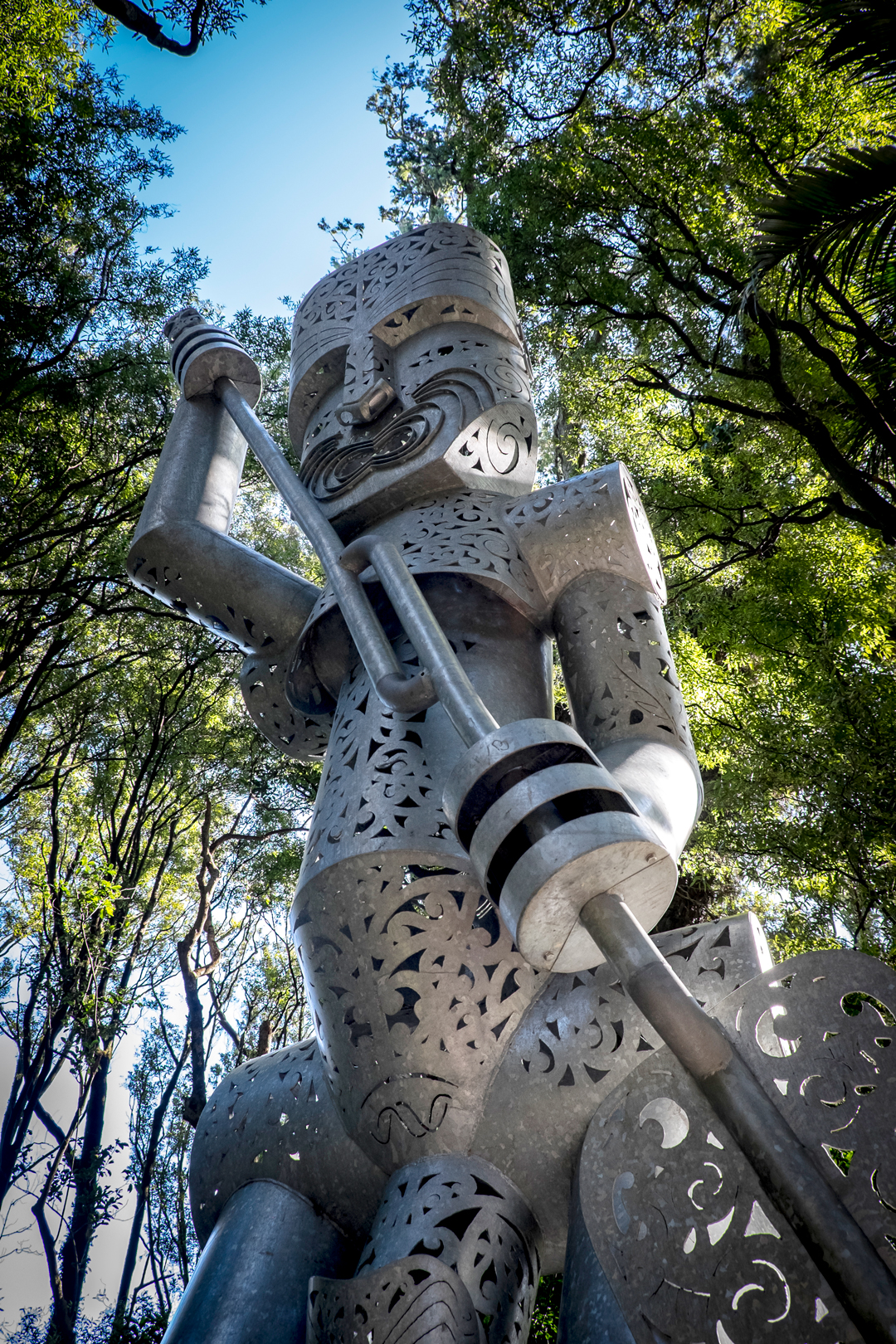
The Whatonga statue project
Art and pattern work on Whātonga
This artwork of Whātonga stands 6.2m high, 1.5m across and 1.2m deep. As it is made of steel, it shall be able to withstand the elements.
The artwork features intricate pattern work, called mangōpare (hammerhead shark pattern), which depicts the sailing history of Whātonga. The theme for the choice of this pattern was the Rangitāne whakatauākī (proverb):
“Tini whetū ki te rangi, ko Rangitāne nui ki te whenua.”
“Like the myriads of stars in the sky, great Rangitāne on the earth.”
The pattern also denotes male and female elements, which in this case represent the ancestors of the Rangitāne people.
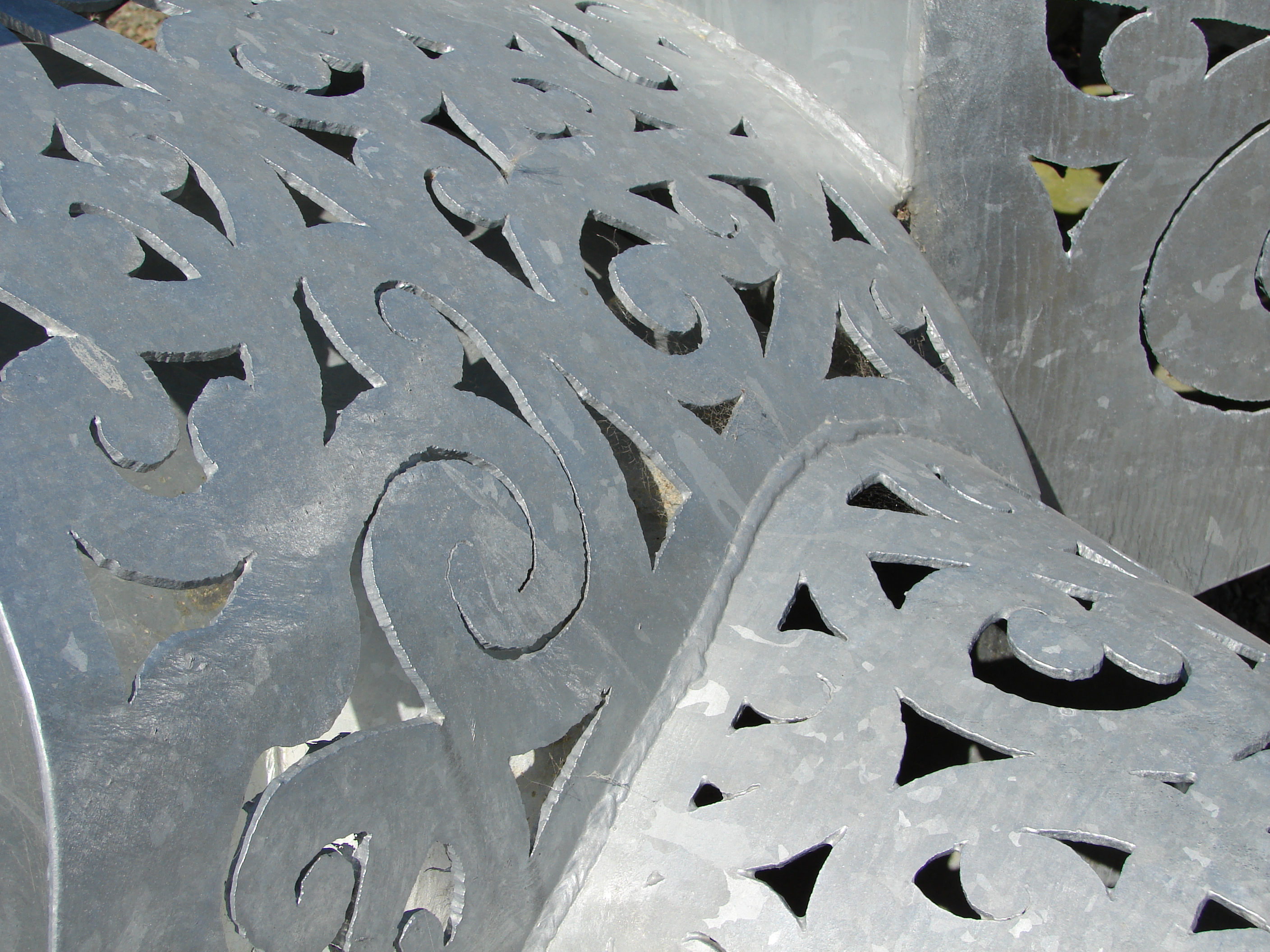
The main pattern over the body of the artwork is a kowhaiwhai known as mangōpare (hammerhead shark).
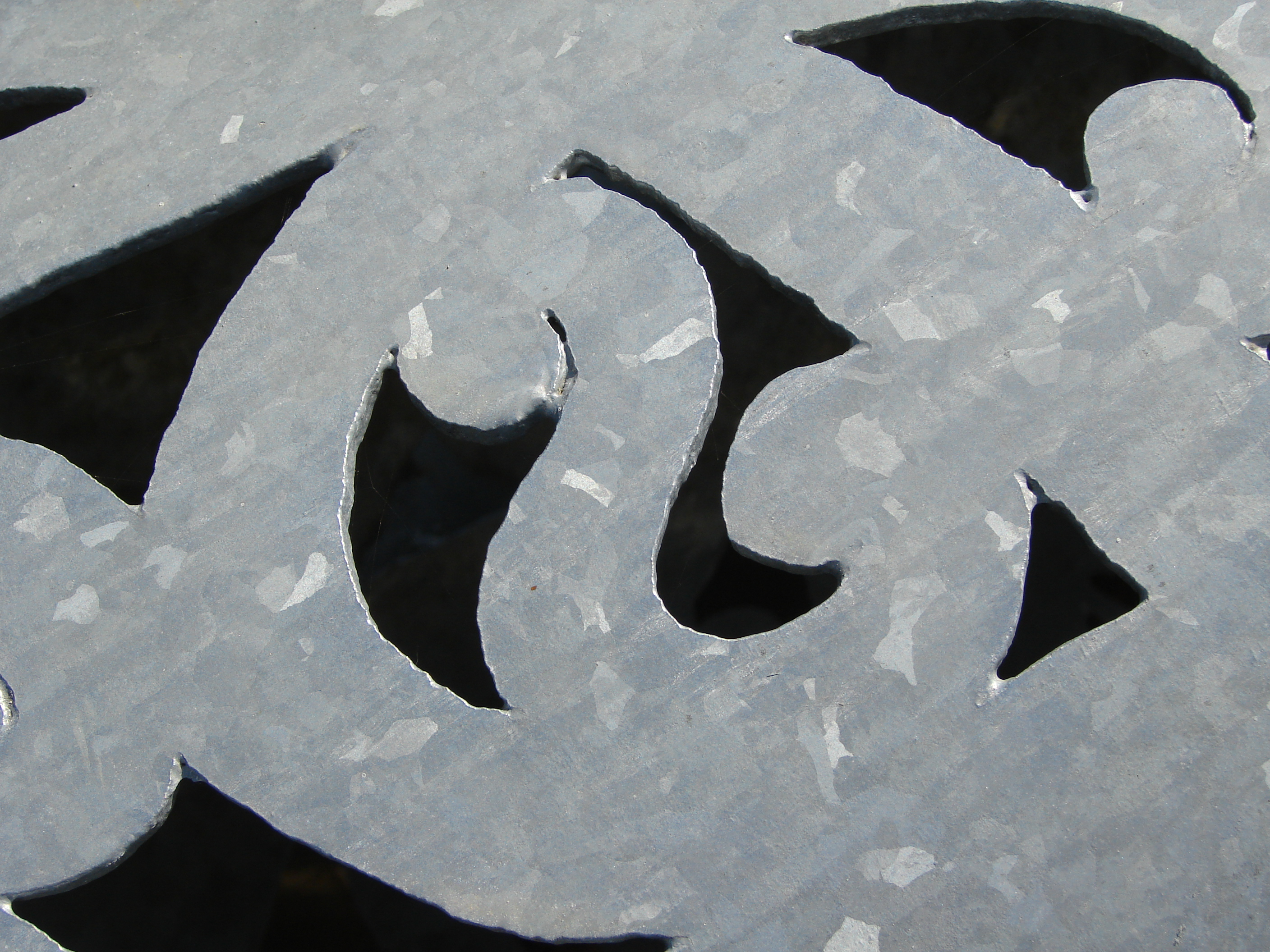
The mangōpare pattern reflects the sea voyaging elements of the story of Whātonga and the importance of shark meat as sustenance for waka crews on long journeys.
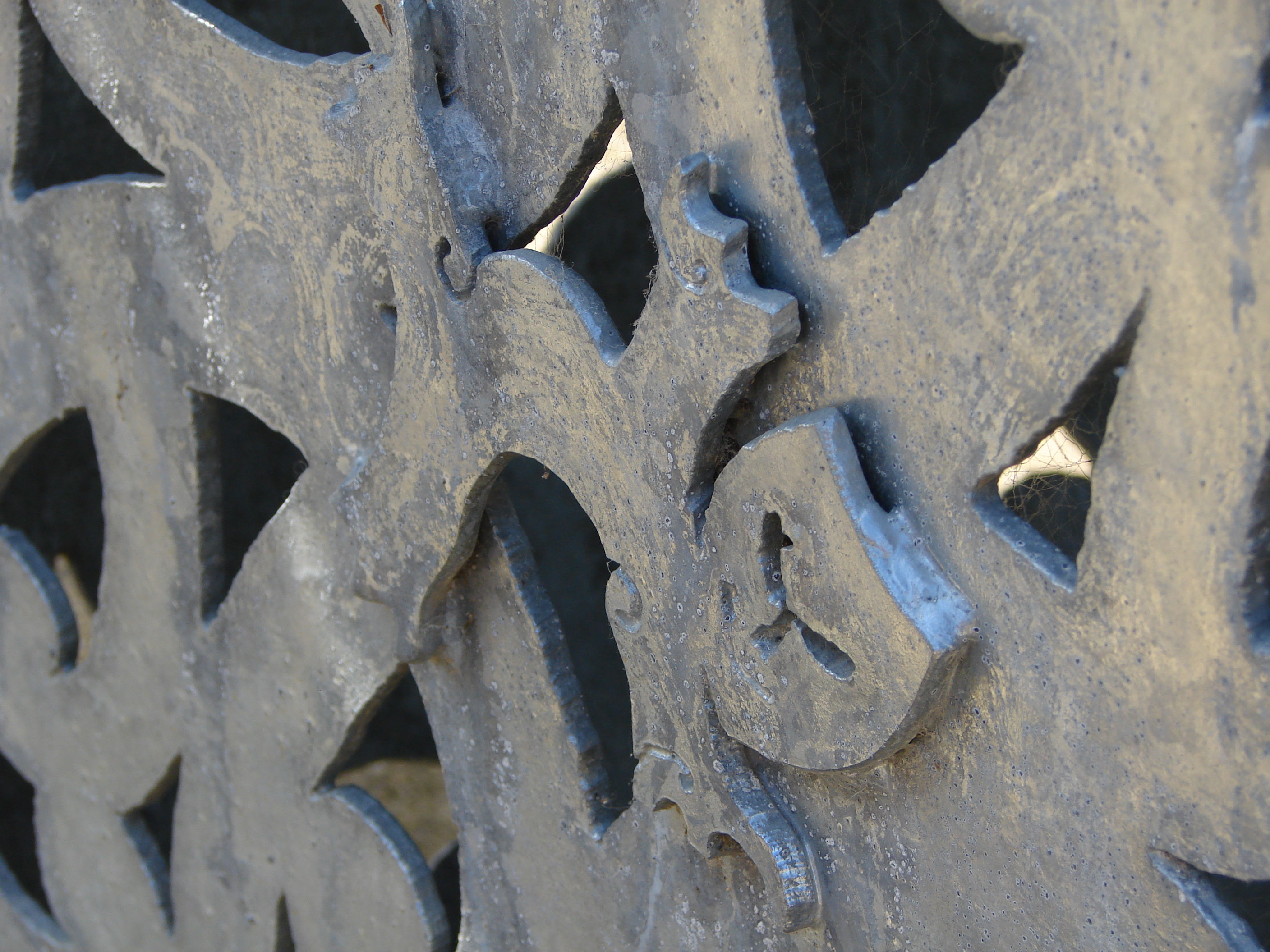
There are two small human figures on the hips of Whātonga that represent the sons of Whātonga: Taraika and Tautoki, from whom Tānenuiarangi, also known as Rangitāne, descends.
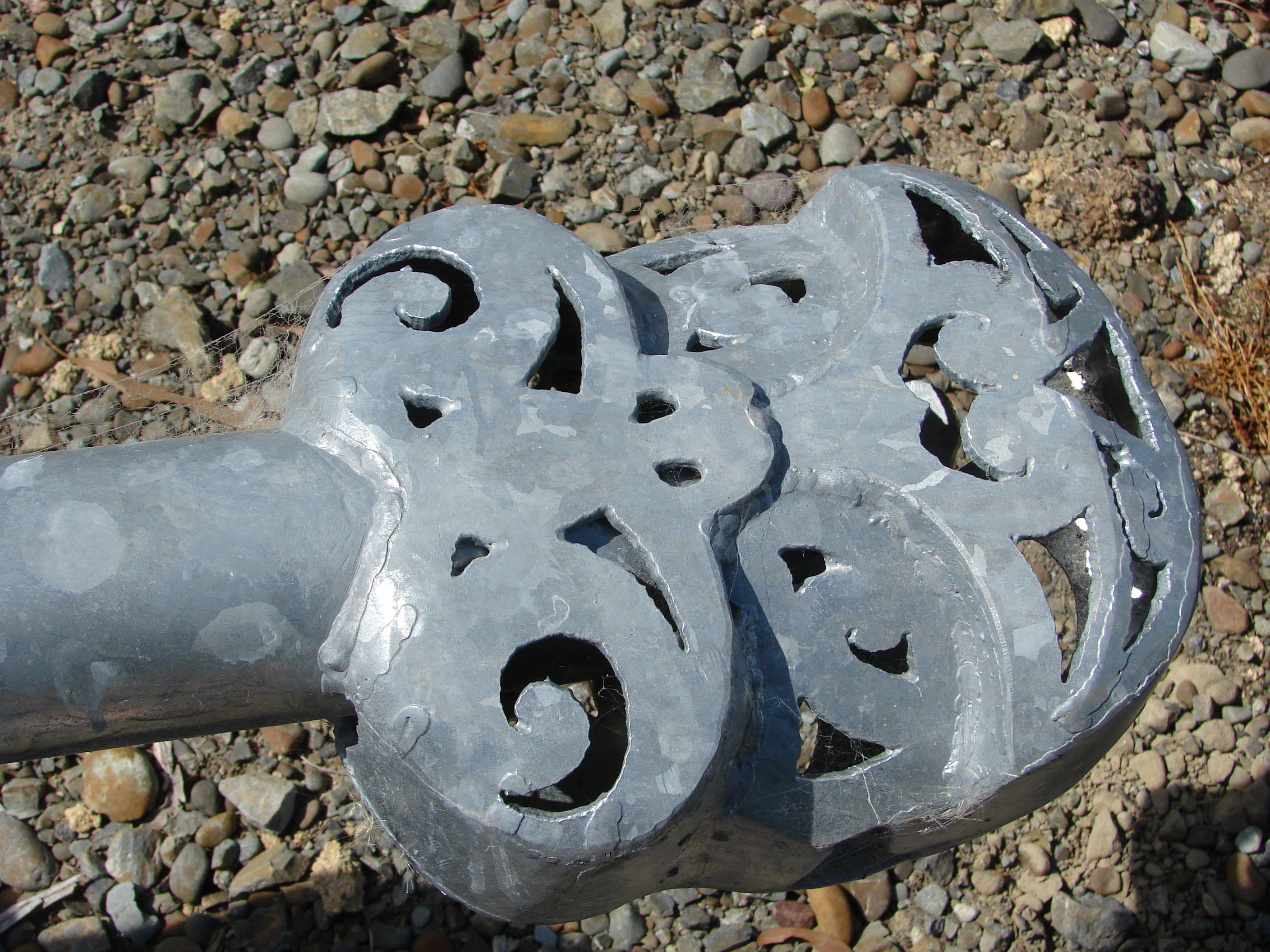
Many ceremonial paddles and waka steering paddles had carved upoko or heads on the upper ends to indicate they were the property of someone of special rank or importance.